
Favorite Swale Landscape Products For Water Management Success
Browse trusted products that help you achieve optimal water flow, erosion control, and landscape beauty in your swale projects.
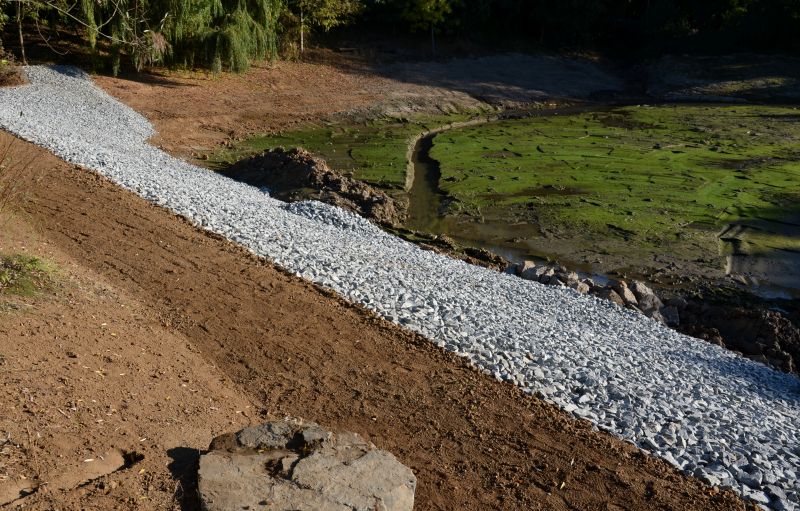 Swale landscaping involves managing the natural flow of water across a landscape to prevent erosion, improve drainage, and support healthy plant growth. Selecting the right products for swale construction and maintenance is essential for ensuring effective water management and aesthetic appeal. From natural materials to engineered solutions, there are numerous options suited to different landscape needs and design preferences.
Top Overall Option
Erosion Control Geotextile Fabric
A versatile geotextile fabric designed to stabilize soil, prevent erosion, and promote water infiltration in swale construction. It is suitable for various soil types and slopes, providing a durable barrier that supports plant growth and landscape stability.
Types of Products For Swale Landscapings
Erosion Control Geotextile Fabric
Fabric used to stabilize soil and prevent erosion in swale systems.
Drainage Pipes and Conduits
Flexible pipes that facilitate water movement within the swale.
Gravel and Aggregate Fill
Various sizes of gravel used to enhance drainage and stabilize the swale bed.
Landscape Fabric and Weed Barrier
Materials that suppress weeds and improve soil stability.
Erosion Control Mesh or Netting
Mesh materials that hold soil in place on slopes and prevent erosion.
Soil Amendments and Organic Matter
Components like compost or topsoil to improve soil quality and support plant growth.
Native Plant Seed Mixes
Seed blends designed to establish plants that thrive in swale conditions.
Flexible Edging and Border Materials
Materials to define the swale boundary and prevent soil migration.
Mulch and Cover Materials
Mulches that help retain soil moisture and reduce erosion.
Water Inlet and Outlet Structures
Components that facilitate controlled water entry and exit in the swale.
Compaction Equipment
Tools like plate compactors to stabilize soil and gravel layers.
Rain Barrels and Water Harvesting Products
Systems to collect and reuse water from the swale area.
Sediment Basins and Traps
Structures designed to capture sediment and prevent clogging.
Plant Support and Erosion Control Stakes
Supports for plants and stakes to secure erosion control fabrics.
Lighting and Decorative Elements
Features to enhance visibility and aesthetic appeal of the swale area.
Popular Choices
A matting material that stabilizes slopes and promotes vegetation growth.
A pipe with perforations that allows water to drain efficiently within the swale.
A common gravel type used for drainage and stability in swale beds.
Natural fiber blankets that support soil stabilization and plant establishment.
Easy-to-install edging to define swale boundaries and prevent soil migration.
Seed mixes tailored to establish native grasses suited for swale environments.
Devices that help regulate water flow within the swale system.
Mulching materials that help retain moisture and reduce erosion.
Chemical or natural additives that improve soil cohesion and stability.
Pre-filled gravel bags used to reinforce swale edges and improve drainage.
Stakes used to secure erosion control fabrics and plantings.
Components designed to collect and store rainwater from the swale area.
Protective tubes that support young plants and prevent erosion.
Stakes used to secure landscape fabric and erosion control mats.
Properly designed swales can serve as functional features that direct water away from vulnerable areas while also enhancing the landscape's visual interest. The choice of products depends on factors such as soil type, slope, water volume, and intended use. Using high-quality materials can help ensure durability and long-term performance, reducing the need for frequent repairs or adjustments.
In addition to functional components, accessories like erosion control fabrics, drainage pipes, and soil amendments play a vital role in the success of a swale. These products can assist in stabilizing the soil, improving water infiltration, and maintaining the overall health of the landscape. Careful planning and product selection are crucial steps toward creating an effective and attractive swale system that integrates seamlessly into the landscape design.
Whether for a small residential yard or a larger landscape project, understanding the range of available products helps in making informed decisions. Consulting with landscape professionals or suppliers can provide additional insights into the best materials for specific site conditions. Overall, the right combination of products can transform a simple water management feature into a functional and beautiful landscape element.
Key Buying Considerations
- Assess the slope and soil type of your landscape to choose appropriate products.
- Determine the expected water flow volume to select suitable drainage solutions.
- Choose durable materials that can withstand weather conditions and foot traffic.
- Consider the size and length of products to ensure proper coverage and fit.
- Select products that are compatible with your landscape design and aesthetic preferences.
- Evaluate ease of installation and whether professional assistance is needed.
- Check for flexibility in products to accommodate landscape changes or future modifications.
- Prioritize products that support plant growth and soil stabilization.
- Review product reviews and ratings for insights into performance and reliability.
- Estimate maintenance requirements and select low-maintenance options when possible.
- Ensure compatibility with existing landscape features and drainage systems.
- Consider environmental factors such as runoff direction and water volume.
- Look for products that allow for easy repair or replacement if needed.
- Budget for both initial installation and ongoing maintenance costs.
- Consult with landscape professionals for tailored recommendations based on your site.