Optimal Timing for Swale Landscapings
Determining the optimal time for Swale Landscapings depends on various factors including climate, soil conditions, and project scope. Proper timing ensures effective installation, optimal plant establishment, and long-term durability of the landscape features.
Spring offers moderate temperatures and ample rainfall, promoting healthy plant growth and soil settling for Swale Landscapings.
Summer requires attention to watering and shading to prevent drought stress during installation, but can be suitable in cooler regions.
Fall provides cooler weather and increased moisture, reducing stress on plants and allowing roots to establish before winter.
Winter is generally unsuitable due to frozen ground and limited plant activity, which can hinder installation and growth.
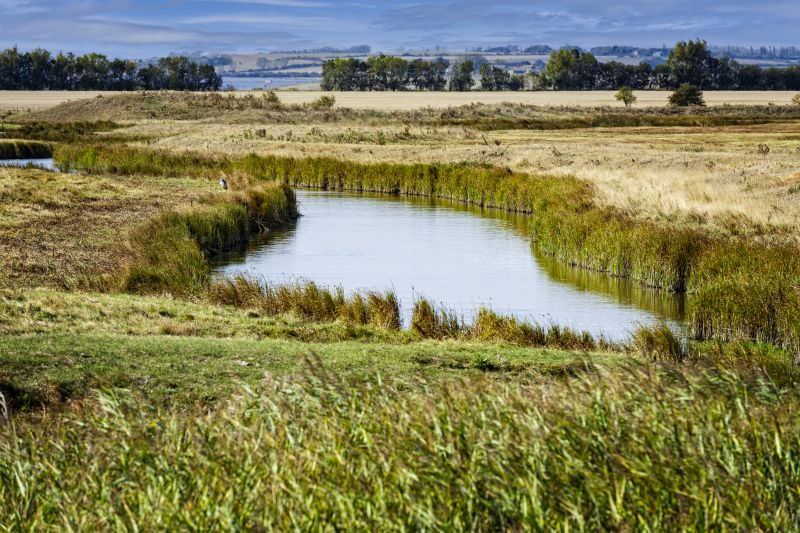
Swale Landscapings flourish with spring rains and mild temperatures.
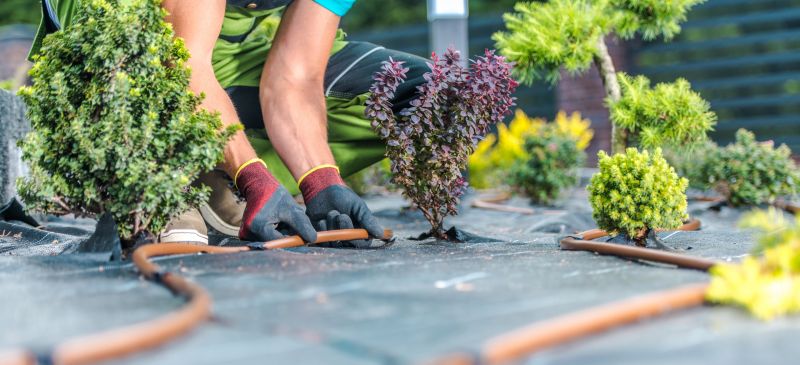
Maintaining Swale Landscapings during summer involves irrigation and shading.
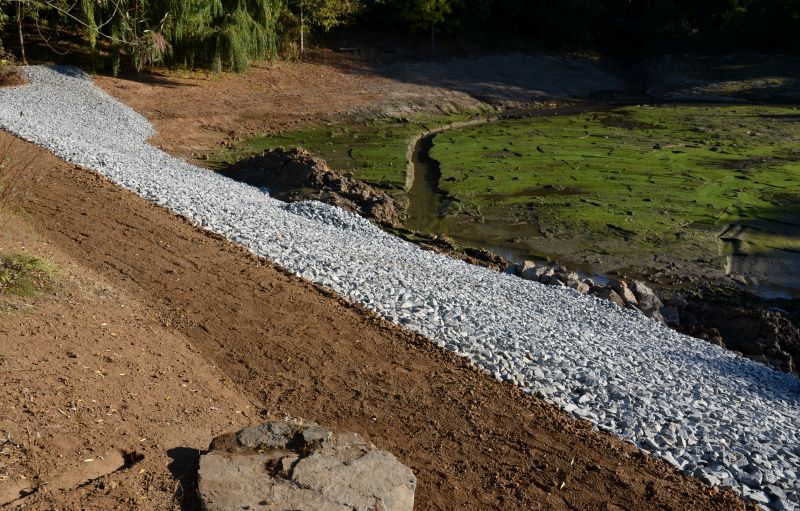
Fall is ideal for planting and establishing Swale Landscapings before winter.
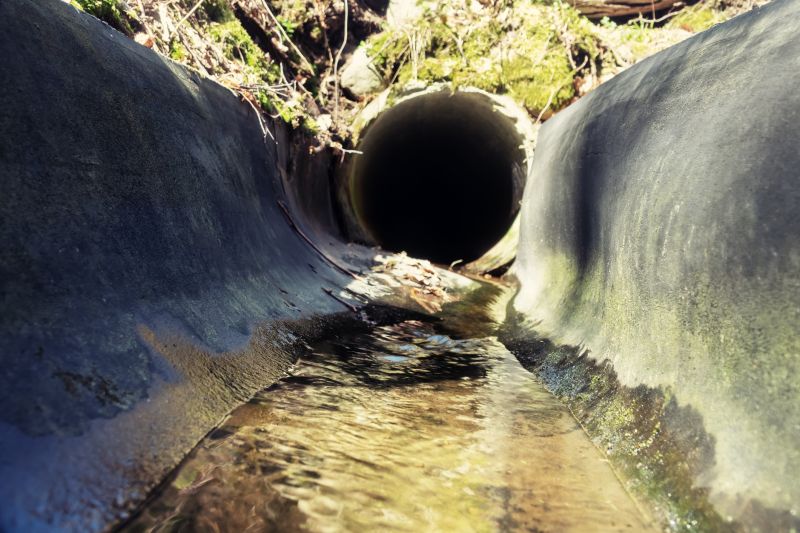
Ways to make Swale Landscapings work in tight or awkward layouts.
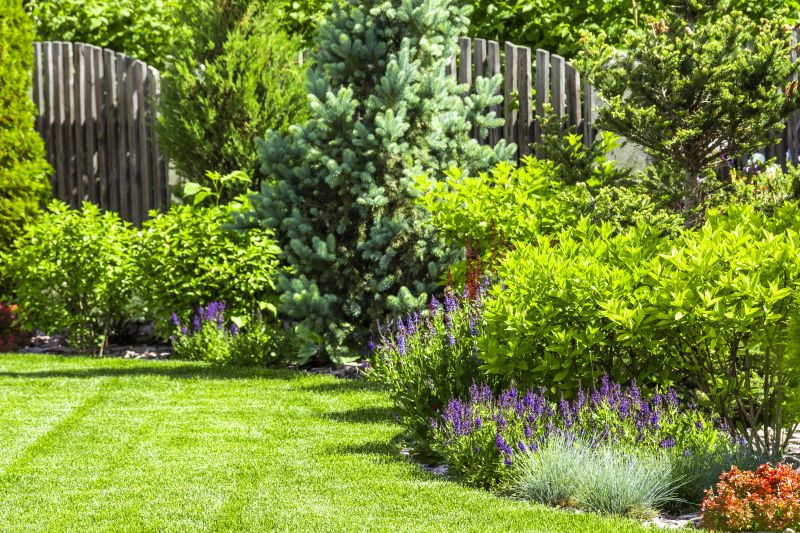
Popular materials for Swale Landscapings and why they hold up over time.
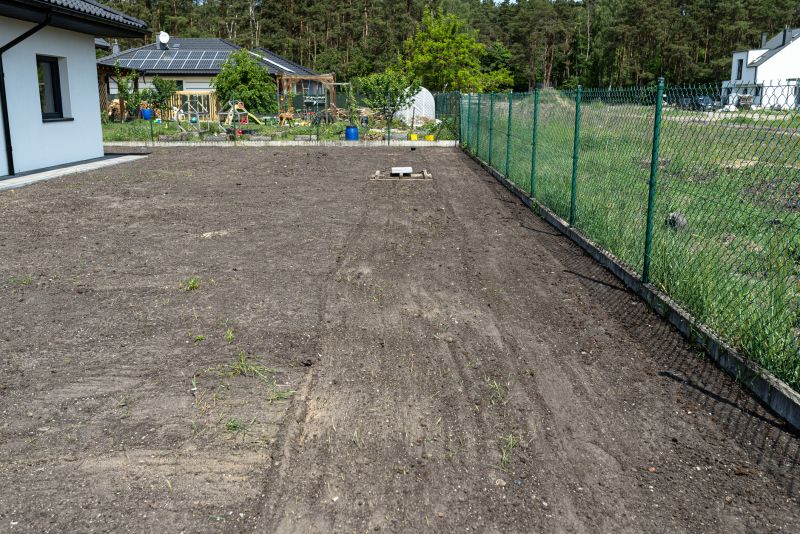
Simple add-ons that improve Swale Landscapings without blowing the budget.
| Season | Suitability |
|---|---|
| Spring | Highly suitable for installation and plant establishment. |
| Summer | Possible with proper watering and shading, but more challenging. |
| Fall | Optimal for planting and root development. |
| Winter | Generally not recommended due to frozen ground and limited activity. |
| Late Fall | Suitable for preparation and planning for spring projects. |
Swale Landscapings involve the strategic shaping of land to manage water flow, reduce erosion, and enhance landscape aesthetics. Proper timing ensures that the features are installed during periods of optimal soil and plant conditions. In regions with distinct seasons, aligning installation with the appropriate weather windows can improve longevity and performance.
Statistics indicate that installations performed in spring and fall have higher success rates, with increased plant survival and landscape stability. These periods typically offer moderate temperatures and consistent moisture levels, which support the establishment of native plants and soil stabilization measures.
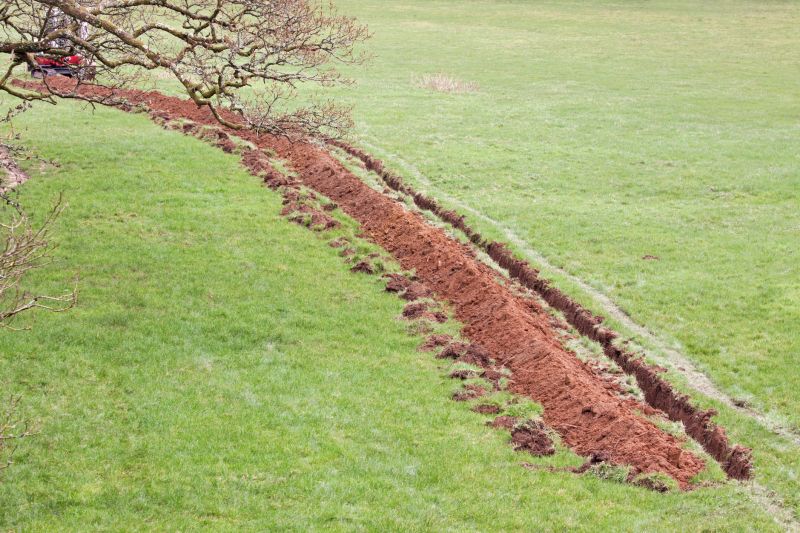
Designing effective swales requires understanding land contours and water flow patterns.
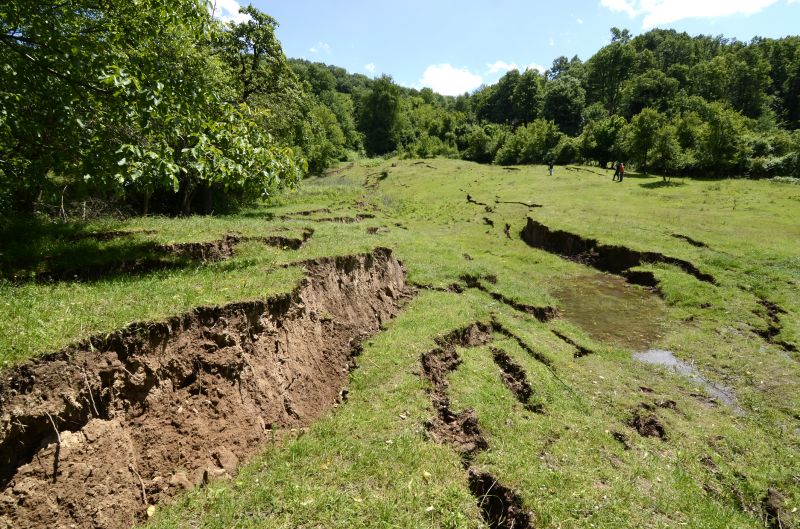
Construction involves shaping land, installing erosion controls, and planting native vegetation.
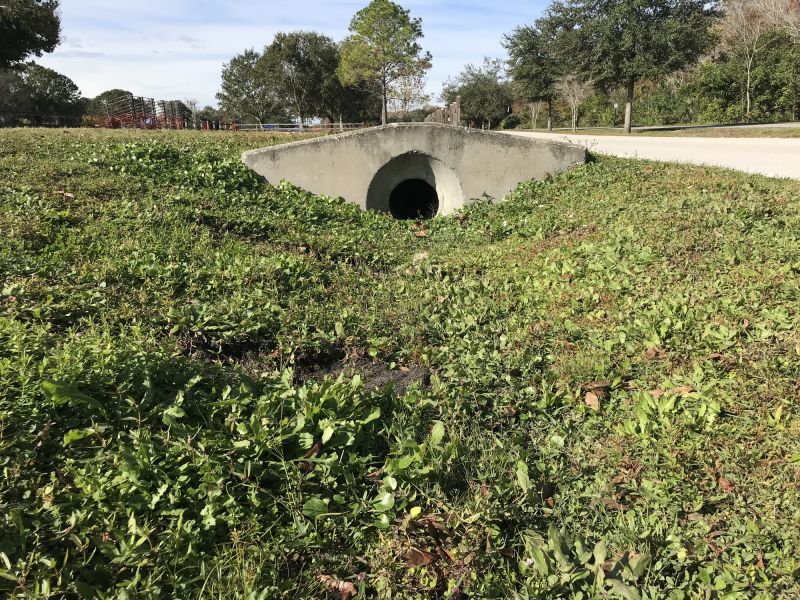
Establishing vegetation is crucial for long-term success of swale systems.
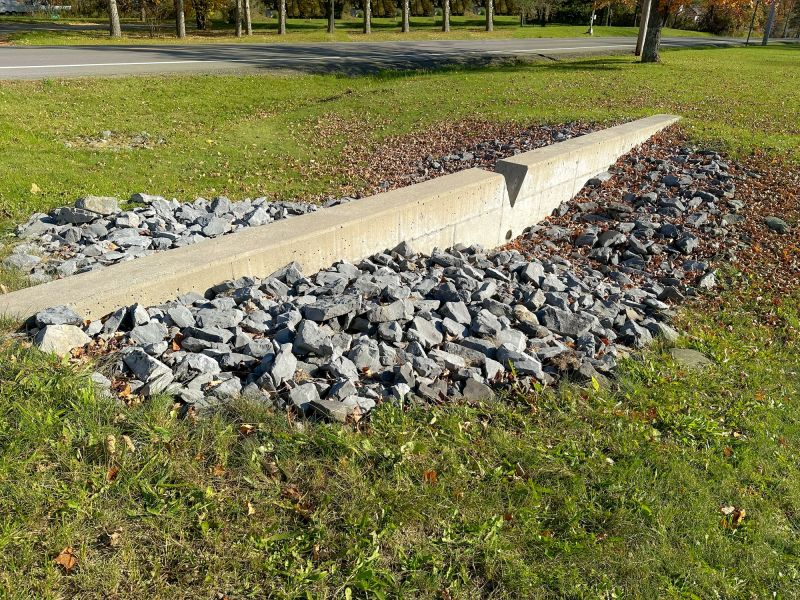
Monitoring ensures proper function and allows for adjustments as needed.
Interested parties are encouraged to contact for further information on scheduling Swale Landscapings projects to align with optimal seasonal conditions.